

Is it Illegal to Have Drugs in Your System in Victoria?
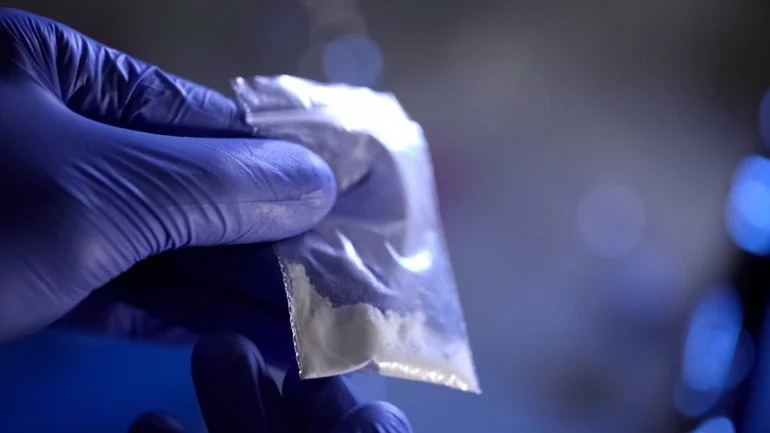
In Victoria it is unlawful not only to possess, traffick or cultivate a drug of dependence, but also to use a drug of dependence.
Under section 75 of the Drugs, Poisons and Controlled Substances Act 1981(Vic) (“the Act”), a person commits an offence if they use or attempt to use a drug of dependence.
The Act defines use in relation to a drug of dependence to mean:
smoking a drug of dependence
inhaling the fumes caused by heating or burning a drug of dependence; or
introducing a drug of dependence into the body of a person
In many circumstances, a person will also face a possession charge when charged with using a drug of dependence.
What Is a “Drug of Dependence”?
In the Act illegal drugs are referred to as “drugs of dependence.”
The Act contains a schedule listing substances that fall within this category. Some of the more commonly encountered examples include:
cannabis
methylamphetamine (often referred to as ice)
heroin
cocaine
GHB
MDMA
Certain prescription medications may also fall within the definition of a drug of dependence if they are obtained or used without lawful authority. Examples include medications such as diazepam (Valium), methadone, codeine and dexamphetamine.
How Might Police Allege That a Person Has Used a Drug?
Police may investigate an allegation that a person has used a drug of dependence in a number of ways. In some cases, police may allege that they observed a person using or attempting to use a drug. In others, the allegation may arise from statements made by a person during a police interview or from other surrounding evidence.
Evidence relied upon by police may include witness statements, CCTV footage, or statements made during a record of interview.
It is important to remember that anything said to police can potentially be used as evidence in court. For that reason, it is often advisable to obtain legal advice before participating in a formal police interview.
What Must the Prosecution Prove?
To secure a conviction for using a drug of dependence, the prosecution must prove each element of the offence beyond reasonable doubt.
In general terms, this requires proof that:
the accused used or attempted to use a substance
the substance was a drug of dependence listed under the Act
the accused knew, or ought reasonably to have known, that the substance was a drug of dependence
the use of the substance was voluntary.
If the prosecution is unable to prove each of these elements, the offence cannot be made out.
Do I Have a Defence?
Whether a defence is available will depend on the particular circumstances of the case. It is therefore important to obtain legal advice before deciding how to proceed.
Issues that may arise include whether:
the substance in question was, in fact, an illegal drug
the person had a lawful prescription for the substance
the drug was consumed involuntarily or under pressure from another person
the prosecution is able to prove that the accused used the substance.
A criminal lawyer can review the available evidence and advise whether a defence may be available in your particular circumstances.
What Happens if I Plead Guilty?
Charges for using a drug of dependence are usually heard in the Magistrates' Court of Victoria.
The maximum penalty depends on the type of drug involved.
Where the drug used is cannabis, the maximum penalty is five penalty units.Where the drug involved is another drug of dependence, the maximum penalty is 30 penalty units, imprisonment for up to 12 months, or both.
When determining an appropriate sentence, the court may consider a range of factors, including:
whether the person has prior drug-related offences
the person’s age and personal circumstances
whether the person has issues with drug dependence
whether steps have been taken towards treatment or rehabilitation
For some first-time offenders, it may be possible to seek diversion, which allows a person to avoid a criminal record if certain conditions are met and the court considers it appropriate.
Getting Legal Advice
If you are charged with using a drug of dependence, obtaining legal advice at an early stage can help you understand the allegation, assess whether a defence may be available, and properly prepare your case.
At Stary Norton Halphen & Galbally, our lawyers practise exclusively in criminal law and regularly advise and represent clients facing drug-related charges across the Victorian courts. We provide clear advice about your options and ensure your case is carefully prepared and presented before the court.
For any information or assistance, please contact our legal team.
You can reach us at 03 8622 8200 or through our online form.