

A detailed guide for drug offences
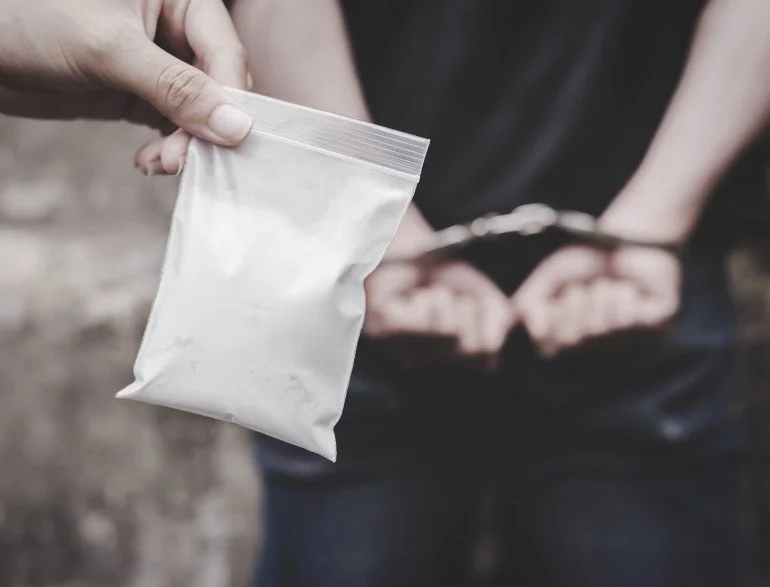
Drug offences in Victoria vary significantly in type and seriousness. If you have been charged with a drug offence, it is essential to understand the nature of the allegation, the court process involved, whether a defence is available, and the penalties you may face.
Obtaining advice from an experienced criminal defence lawyer as early as possible can be critical to protecting your rights and achieving the best possible outcome.
What Is a Drug Offence?
A drug offence generally involves the use, possession, cultivation, manufacture or trafficking of a drug of dependence.
In Victoria, most drug offences are governed by the Drug, Poisons and Controlled Substances Act 1981 (the Act). The Act sets out the types of conduct that constitute criminal offences, as well as the quantities of drugs that determine the seriousness of the charge.
Common drug offences include:
Using a drug of dependence
Possessing a drug of dependence
Cultivating a narcotic plant
Cultivating not less than a commercial quantity of a narcotic plant
Cultivating not less than a large commercial quantity
Trafficking in a drug of dependence
Trafficking not less than a commercial quantity
Trafficking not less than a large commercial quantity
Schedule 11 of the Act defines what constitutes a “drug of dependence” or “narcotic plant.” Substances captured by the legislation include methylamphetamine (ice), MDMA (ecstasy), GHB, ketamine, heroin and cocaine.
Possession vs Trafficking: Why the Distinction Matters
There is a significant legal difference between possessing a drug and trafficking it.
Possession charges typically involve personal use. Trafficking, however, can be alleged in a wide range of circumstances. A person may be charged with trafficking if they are alleged to have:
Sold a drug of dependence
Prepared a drug for sale
Manufactured a drug
Exchanged a drug for goods or services
Offered or agreed to sell a drug
Possessed a drug with the intention of selling it
Importantly, trafficking does not require proof of a completed sale. The prosecution must establish an intention to traffick, which is often inferred from surrounding circumstances — including the quantity involved.
The Act specifies “traffickable”, “commercial” and “large commercial” quantities. The quantity alleged can significantly affect both the charge and the maximum penalty.
Careful analysis of the evidence is essential because whether the prosecution can prove possession or trafficking is not always straightforward.
What Are the Penalties for Drug Offences?
Penalties vary widely depending on the charge and the quantity involved. Maximum penalties under the Act include:
Using cannabis – 5 penalty units
Using another drug of dependence – 1 year imprisonment
Possessing cannabis – 5 penalty units
Possessing a drug of dependence – up to 5 years imprisonment
Trafficking a drug of dependence – up to 15 years imprisonment
Trafficking not less than a commercial quantity – up to 25 years imprisonment
Trafficking not less than a large commercial quantity – life imprisonment
Cultivation offences carry similarly serious maximum penalties, including life imprisonment for large commercial quantities.
While maximum penalties reflect the seriousness with which Parliament views these offences, they are reserved for the most serious cases. The appropriate sentence depends on many individual factors.
What Factors Affect Sentencing?
Once a charge is properly characterised, the Court will consider matters such as:
Your age
Prior criminal history
The quantity and type of drug
The role played (for example, street-level or higher-level trafficking)
Motivation for the offending
Whether addiction contributed to the offending
Evidence of rehabilitation (counselling, treatment, abstinence)
Employment, education and community supports
Any relevant mental health issues
In some cases — particularly those involving large commercial quantities — imprisonment may be unavoidable. In others, strong evidence of rehabilitation and insight can significantly reduce the penalty and, in appropriate cases, avoid imprisonment or even a criminal record.
Early strategic preparation can make a substantial difference to the outcome.
Why You Need an Experienced Criminal Lawyer in Melbourne
Drug laws and sentencing practices differ between states. If you are charged in Victoria, it is important to seek advice from a lawyer experienced in the Victorian criminal justice system.
An experienced criminal defence lawyer will:
Assess whether you have a viable defence
Examine weaknesses in the prosecution's case
Advise you on plea strategy
Prepare persuasive material in mitigation
Represent you in negotiations and in court
Facing a drug charge can be overwhelming. Clear advice and careful preparation can reduce stress and ensure you are in the strongest possible position before the Court.
If you have been charged with a drug offence in Victoria, contact Stary Norton Halphen & Galbally for confidential, expert advice.
For any information or assistance, please contact our legal team.
You can reach us at 03 8622 8200 or through our online form.