

What to Do When Police Want to Interview You in Victoria
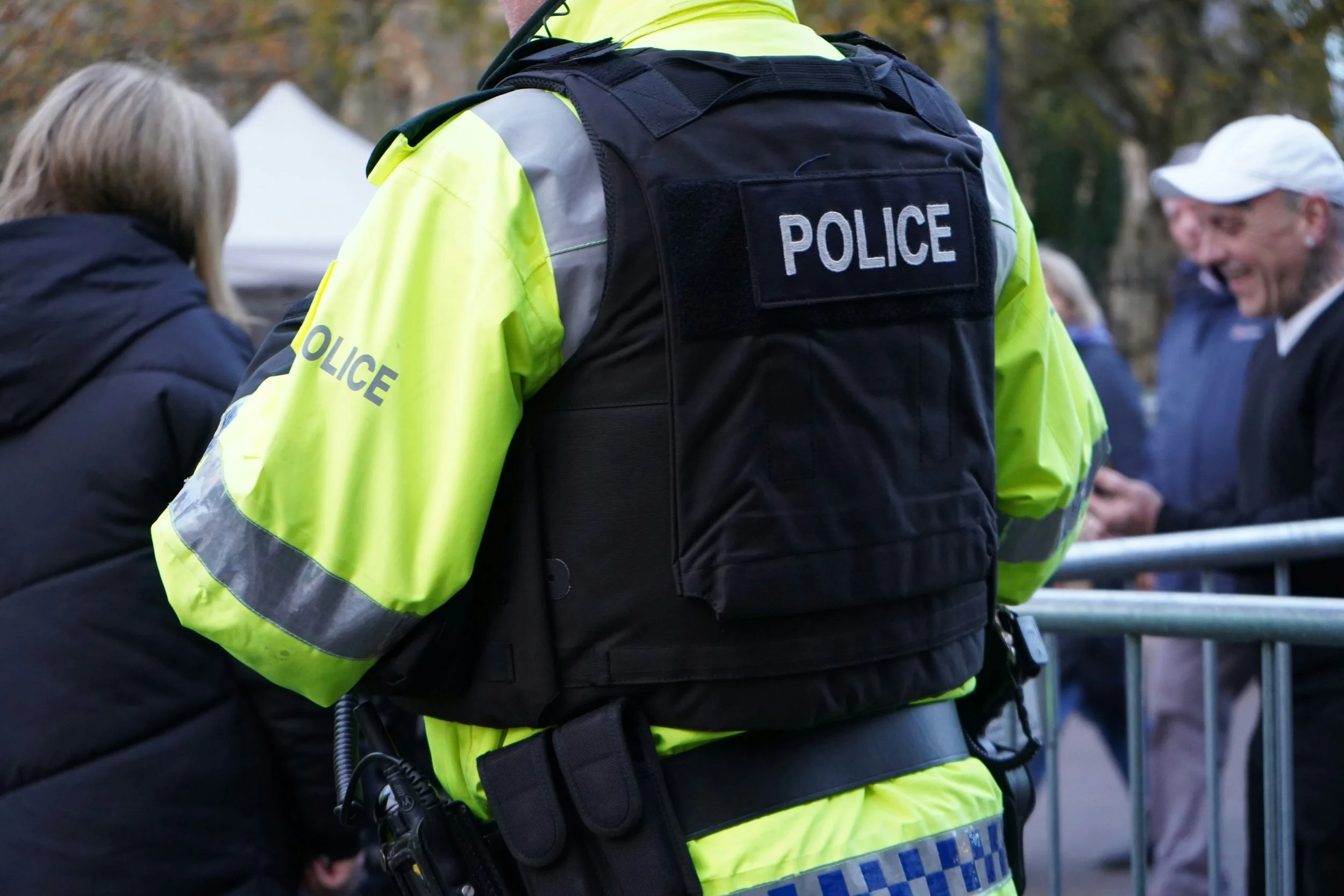
Being asked to participate in a police interview is a critical stage in a criminal investigation. The decisions you make at this point can significantly affect how your matter progresses.
For that reason, it is essential to approach any request for an interview carefully, with a clear understanding of your legal rights and options.
Your Rights During a Police Interview
Before taking part in any police interview, you should understand your fundamental rights:
the right to remain silent
the right to communicate with a lawyer
These rights exist to protect you. Exercising them is not an admission of guilt. Rather, it ensures your position is properly safeguarded from the outset.
Step 1: Remain Calm
If police contact you requesting an interview, it is important to remain calm and avoid making immediate decisions.
In many situations, you are not required to agree to an interview straight away. You may take time to obtain legal advice before deciding whether to participate.
However, there are circumstances where police may arrest a person for questioning, particularly in relation to indictable offences. In those situations, your ability to delay the interview may be limited.
Even then, you still have the right to communicate with a lawyer and should seek to do so before the interview proceeds wherever possible.
Step 2: Obtain Legal Advice
Obtaining legal advice before participating in a police interview is strongly recommended.
An experienced criminal defence lawyer can:
communicate with police to understand the allegations
explain your rights and the interview process
advise whether it is appropriate to answer questions or exercise your right to silence
This advice allows you to make an informed decision about how to approach the interview.
Step 3: Discuss Your Situation
After obtaining legal advice, you can provide instructions and discuss the circumstances of your case in detail.
This enables your lawyer to:
identify the key legal issues
assess potential risks
recommend an appropriate strategy for the interview
Each case is different, and tailored advice is essential.
Step 4: Prepare for the Interview
If an interview is to proceed, preparation is critical.
Your lawyer may advise you on:
whether to participate in a “no comment” interview
the types of questions police are likely to ask
how to respond if you do not understand a question
Proper preparation helps reduce the risk of confusion, inconsistency, or unintended admissions during questioning.
Step 5: Consider Legal Representation During the Interview
In some cases, it may be appropriate for your lawyer to attend the interview with you.
This can assist in ensuring that:
the interview is conducted fairly
your legal rights are respected
the agreed approach is maintained throughout
Legal representation can be particularly important in complex or serious matters.
Step 6: Follow Legal Advice
Once you have received advice and decided how to approach the interview, it is important to follow that advice carefully.
Police interviews can be challenging, especially where questioning is detailed or prolonged. Maintaining a consistent and considered approach is essential to protecting your position.
Getting Legal Advice Before a Police Interview
If you have been asked to attend a police interview or have been taken into custody for questioning, obtaining legal advice before participating can have a significant impact on the outcome of your case.
Stary Norton Halphen & Galbally practise exclusively in criminal law and regularly advise clients in relation to police interviews and criminal investigations across Victoria. Our lawyers provide clear, strategic advice and work closely with clients to ensure they are informed and supported at every stage of the process.
For any information or assistance, please contact our legal team.
You can reach us at 03 8622 8200 or through our online form.